V8 Supercars Winton Track Layout Explained sets the stage for this enthralling narrative, offering readers a glimpse into a story that is rich in detail and brimming with originality. From the unique characteristics of the track to the challenges faced by drivers, this exploration promises to be both informative and engaging.
Overview of Winton Track Layout
The Winton Motor Raceway is a well-known racing circuit located in Victoria, Australia, and is a popular venue for V8 Supercars events. This track layout is known for its challenging and technical nature, providing an exciting racing experience for drivers and spectators alike.
Key Characteristics
The Winton track is a relatively short circuit, spanning approximately 3.0 kilometers in length. It features a total of 12 turns, including a mix of fast corners, hairpins, and chicanes. The track layout is known for its tight and narrow sections, requiring precise driving skills and strategic maneuvering.
Unique Features
One of the unique features of the Winton track is its lack of significant elevation changes, making it a relatively flat circuit compared to other tracks. This characteristic adds to the technical challenge for drivers, as maintaining speed and momentum through the corners becomes crucial for a competitive lap time.
Challenges for Drivers
Drivers face several challenges on the Winton track, including the narrow racing lines and limited overtaking opportunities due to the tight nature of the circuit. The mix of corners with varying speeds demands a well-balanced setup and precise driving to maximize performance.
Additionally, the track's abrasive surface can lead to tire degradation, further complicating race strategy and driver management throughout the event.
Straightaways and Turns
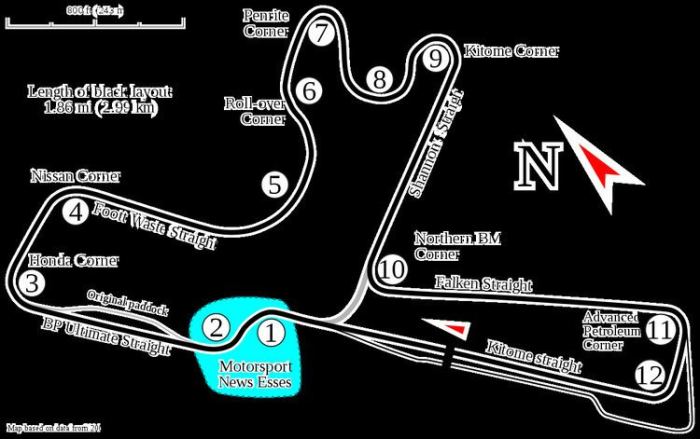
In V8 Supercars, the Winton track features a combination of straightaways and turns that test the skills of drivers to the fullest.
Straightaways
The Winton track layout includes two main straightawaysthe main straight and the back straight. The main straight is relatively short, leading into Turn 1, while the back straight offers a longer stretch for drivers to build up speed before approaching the final turns.
- The main straight requires drivers to brake hard before entering Turn 1, making it crucial for setting up a good exit speed.
- The back straight allows drivers to reach top speeds, demanding precision braking and acceleration for the upcoming turns.
Turns
The Winton track has a total of 12 turns, each presenting unique challenges for drivers to navigate effectively. From tight hairpins to sweeping corners, the variety of turns requires a versatile driving style.
- Turn 3 is a tight hairpin that demands precise braking and smooth acceleration to avoid losing time.
- Turn 7 is a high-speed corner that tests the limits of grip and requires a delicate balance between speed and control.
- Turn 10 is a double-apex corner where drivers must choose the right line to carry speed through the complex section.
Each turn at Winton plays a crucial role in determining a driver's overall lap time, making it essential to find the right balance between aggression and finesse.
Elevation Changes and Camber
Elevation changes and camber play a crucial role in the dynamics of racing at the Winton track. These factors can significantly impact the performance of V8 Supercars and require drivers to adjust their techniques accordingly.
Elevation Changes
Elevation changes at Winton are subtle but still have a noticeable effect on the handling of the cars. The track features slight inclines and declines in various sections, challenging drivers to adapt their speed and braking points accordingly. As cars navigate these changes in terrain, it can affect their grip levels and stability, making it essential for drivers to anticipate these variations to maintain control.
Camber (Banking)
Camber refers to the banking or slope of the track surface in corners. Winton track is known for its relatively flat surface, which can pose challenges for drivers looking to maximize their cornering speeds. While some corners may have slight camber to aid in cornering, overall, the track's flat nature requires drivers to be precise with their racing line and braking points to carry optimal speed through each turn.
Driver Techniques
To compensate for elevation changes and camber at Winton, drivers rely on a combination of skill and experience. They adjust their driving techniques by carefully studying the track layout and understanding how these factors influence their car's performance. Drivers may brake earlier or later, shift their weight strategically, and take different lines through corners to maintain momentum and minimize time loss.Overall, elevation changes and camber at Winton add an extra layer of complexity to the racing experience, requiring drivers to remain adaptable and precise in their maneuvers to achieve optimal performance on the track.
Track Surface and Grip Levels
The track surface and grip levels play a crucial role in the performance of drivers on the Winton track. Let's delve into how these factors impact racing dynamics.
Surface Material and Tire Grip
The Winton track is predominantly made of asphalt, providing a smooth and consistent surface for racing. Asphalt surfaces offer high levels of grip, allowing drivers to push their cars to the limit. However, as the track ages, it may develop patches of less grip due to wear and tear, challenging drivers to find the optimal racing line.
Weather Conditions and Grip Levels
Weather conditions such as rain or extreme heat can significantly affect grip levels on the track. In wet conditions, the track surface becomes slippery, reducing tire grip and requiring drivers to adjust their driving style to maintain control. Conversely, hot weather can lead to increased grip levels, allowing drivers to push harder through corners.
Adapting Driving Style to Grip Levels
Drivers must constantly adapt their driving style based on the track surface and grip levels. In low-grip situations, drivers may need to brake earlier, modulate throttle inputs more cautiously, and be mindful of cornering speeds to prevent sliding. On high-grip surfaces, drivers can carry more speed into corners and push the limits of their cars.
Conclusive Thoughts
In conclusion, V8 Supercars Winton Track Layout Explained has shed light on the intricacies of this renowned circuit, providing a comprehensive understanding of its key features. Whether it's the straightaways, turns, elevation changes, or track surface, each element plays a crucial role in shaping the racing experience at Winton.
As drivers navigate these challenges with precision and skill, the track layout continues to stand as a testament to the artistry of motorsport.
FAQ Explained
What are the unique features of the V8 Supercars Winton track layout?
The track features a mix of fast and slow corners, challenging drivers with varying speeds and technical demands.
How do weather conditions impact grip levels on the Winton track?
Weather conditions like rain can significantly reduce tire grip, making it harder for drivers to maintain control.
Why is camber (banking) important on the Winton track?
Camber affects how cars handle corners, providing either grip or causing instability based on the angle.