Embark on a journey into the world of precision boxing and MMA nutrition basics, where the right fuel can make all the difference in combat sports. From essential nutrients to hydration strategies, this topic delves into the crucial elements that impact training, recovery, and overall performance in the ring.
As we explore the role of macronutrients, micronutrients, and proper pre/post-workout nutrition, you'll gain valuable insights into how to maximize your potential as a combat athlete.
Precision Boxing and MMA Nutrition Basics
Proper nutrition plays a crucial role in the performance and success of precision boxing and MMA athletes. It not only fuels the body but also aids in recovery and overall well-being.
Key Nutrients for Combat Sports
- Protein: Essential for muscle repair and growth, aiding in recovery after intense training sessions.
- Carbohydrates: Provide energy for training and competition, replenishing glycogen stores in muscles.
- Fats: Important for hormone production, brain function, and energy storage.
- Vitamins and Minerals: Support various bodily functions and help maintain overall health.
- Hydration: Proper fluid intake is crucial for performance, especially during training and fights.
Impact of Nutrition on Training and Performance
Nutrition directly affects an athlete's ability to train effectively, recover efficiently, and perform at their best during competitions. A well-balanced diet ensures optimal energy levels, muscle function, and mental focus.
Nutritional Differences in Precision Boxing and MMA
- Weight Classes: Precision boxers may have stricter weight requirements, impacting their nutrition choices for weight management.
- Training Intensity: MMA athletes engage in a variety of disciplines, requiring a diverse nutrient profile to support different training modalities.
- Timing of Meals: Precision boxers may focus on pre-fight nutrition, while MMA fighters need sustained energy throughout longer bouts.
Macronutrients for Precision Boxing and MMA
Carbohydrates, proteins, and fats are the three main macronutrients that play crucial roles in fueling workouts, supporting muscle repair and growth, and overall health and performance for combat athletes.
Carbohydrates for Fuel and Endurance
Carbohydrates are the body's primary source of energy, especially during high-intensity training sessions and competitions in combat sports. They are essential for fueling workouts and enhancing endurance by providing quick energy to the muscles. Combat athletes should focus on consuming complex carbohydrates like whole grains, fruits, and vegetables to sustain energy levels throughout their training sessions and fights.
Protein for Muscle Repair and Growth
Protein is vital for combat athletes as it supports muscle repair and growth, helping them recover from intense training sessions and build strength. Incorporating lean sources of protein such as chicken, turkey, fish, eggs, and plant-based options like tofu and lentils into meals can aid in muscle recovery and development for combat sports athletes.
Healthy Fats for Overall Health and Performance
Healthy fats are essential for combat athletes as they provide long-lasting energy, support hormone production, and aid in nutrient absorption. Including sources of healthy fats like avocados, nuts, seeds, and olive oil in meals can help combat athletes maintain overall health and performance levels.
Balanced Meals for Combat Athletes
Combat athletes should aim to create balanced meals that include a combination of carbohydrates, proteins, and healthy fats to support their training and performance. An example of a balanced meal for a combat athlete could be grilled chicken with quinoa and roasted vegetables, providing a mix of all three macronutrients for optimal fueling and recovery.
Micronutrients and Hydration
Combat athletes like precision boxers and MMA fighters require specific micronutrients to support their training and performance. In addition, proper hydration is crucial for maintaining energy levels and preventing fatigue during intense workouts and fights.
Key Micronutrients for Combat Athletes
Key micronutrients necessary for combat athletes include:
- Vitamin D: Essential for bone health and immune function.
- Vitamin C: Important for collagen production and immune support.
- Magnesium: Helps with muscle function and energy production.
- Zinc: Supports immune function and wound healing.
The Role of Hydration in Performance
Hydration plays a critical role in maintaining performance and preventing fatigue during training and fights
Impact of Micronutrient Deficiencies on Performance
Micronutrient deficiencies can have a significant impact on performance and recovery in precision boxing and MMA. For example, inadequate intake of vitamin D can lead to decreased muscle strength and increased risk of injury. Similarly, low levels of magnesium can result in muscle cramps and decreased exercise performance.
Strategies for Hydration and Micronutrient Intake
- Drink water regularly throughout the day and during workouts to maintain proper hydration levels.
- Include a variety of fruits, vegetables, lean proteins, and whole grains in your diet to ensure adequate intake of vitamins and minerals.
- Consider incorporating sports drinks or electrolyte supplements during intense training sessions to replenish lost fluids and minerals.
- Consult with a nutritionist or dietitian to develop a personalized nutrition plan that meets your micronutrient needs as a combat athlete.
Pre-Workout and Post-Workout Nutrition
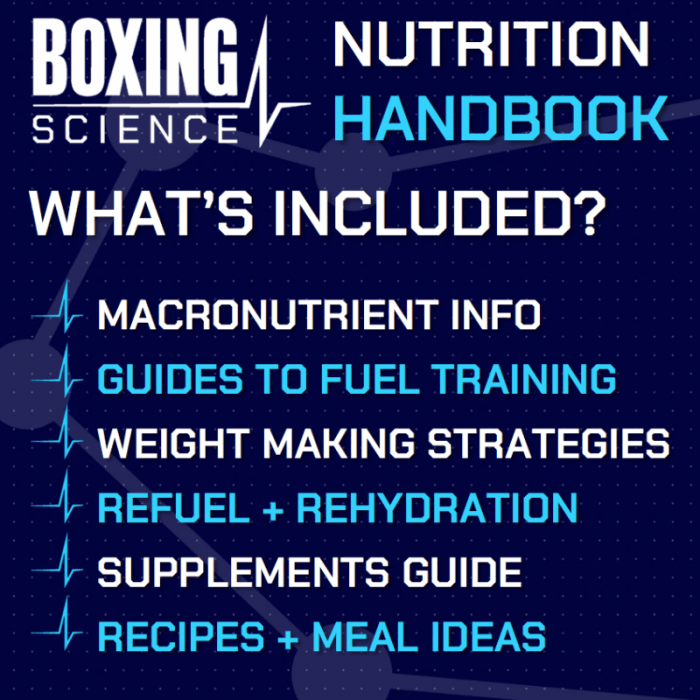
Proper nutrition before and after training sessions is crucial for combat athletes like precision boxers and MMA fighters to perform at their best and recover effectively.
Optimal Pre-Workout Nutrition
Before a training session, athletes should focus on consuming meals or snacks that provide a balance of carbohydrates and protein to fuel their performance. Carbohydrates are essential for energy, while protein helps with muscle repair and growth.
- Example pre-workout options:
- Whole grain toast with nut butter
- Greek yogurt with fruit
- Chicken and vegetable stir-fry with brown rice
Timing is key for pre-workout nutrition to ensure that the body has enough time to digest and utilize the nutrients for optimal performance.
Importance of Post-Workout Nutrition
After a training session, athletes need to focus on replenishing glycogen stores and providing their muscles with the necessary nutrients for recovery and repair.
- Example post-workout options:
- Protein shake with banana
- Grilled salmon with sweet potato and vegetables
- Quinoa salad with chickpeas and avocado
Post-workout nutrition plays a crucial role in muscle recovery, glycogen replenishment, and overall performance improvement.
Timing Considerations
The timing of pre-workout and post-workout nutrition is important. Ideally, athletes should consume a balanced meal or snack 1-2 hours before training and within 30 minutes to an hour after training to maximize nutrient absorption and recovery.
Wrap-Up
In conclusion, Precision Boxing and MMA Nutrition Basics serve as the foundation for success in combat sports. By understanding and implementing these principles, athletes can elevate their performance and achieve their goals with precision and finesse.
User Queries
What are the key differences in nutritional requirements between precision boxing and MMA athletes?
Precision boxers often require more agility and speed-focused nutrition, while MMA athletes may need to focus on endurance and strength-building nutrients.
How can hydration impact performance in combat sports?
Proper hydration is vital for maintaining energy levels, preventing fatigue, and optimizing overall performance during training and fights.
What are some suitable pre-workout and post-workout nutrition options for combat athletes?
Pre-workout meals/snacks rich in carbohydrates and protein can fuel training effectively, while post-workout nutrition focusing on protein and healthy fats aids in muscle recovery and glycogen replenishment.