Delving into the realm of First Tee Programs Outside the United States, readers are invited to discover a world where golf meets global outreach. This introductory passage sets the stage for an insightful exploration of how this organization has made its mark beyond American borders.
Providing a glimpse into the rich history and current initiatives of First Tee Programs around the world, this overview promises to shed light on the impact and challenges faced by these international endeavors.
Overview of First Tee Programs Outside the United States
The First Tee organization, founded in 1997, aims to impact the lives of young people by providing educational programs that build character, instill life-enhancing values, and promote healthy choices through the game of golf.The expansion of First Tee programs globally began in 2010, with the first international affiliate established in Canada.
Since then, the organization has continued to grow its presence outside the U.S., reaching countries like Japan, Ireland, and Singapore, among others.
Mission and Goals of First Tee Programs Outside the U.S.
First Tee programs outside the United States share the same mission as their domestic counterparts: to impact the lives of young people by providing educational programs that build character, instill life-enhancing values, and promote healthy choices through the game of golf.
The goals include fostering leadership skills, instilling confidence, and promoting sportsmanship and respect among participants.
Countries with Active First Tee Programs
First Tee programs are currently active in several countries outside the United States, making a positive impact on youth development and golf accessibility worldwide.
Australia
In Australia, First Tee programs focus on introducing young people to golf while teaching them valuable life skills such as integrity, respect, and perseverance.
Canada
First Tee programs in Canada emphasize inclusivity and diversity, providing opportunities for children from all backgrounds to learn and play golf in a supportive environment.
Japan
In Japan, First Tee programs have been successful in promoting the values of sportsmanship and teamwork among youth, helping them develop both on and off the golf course.
South Africa
First Tee programs in South Africa aim to empower disadvantaged communities through golf, offering a pathway for personal growth and social change.
Partnerships and Collaborations
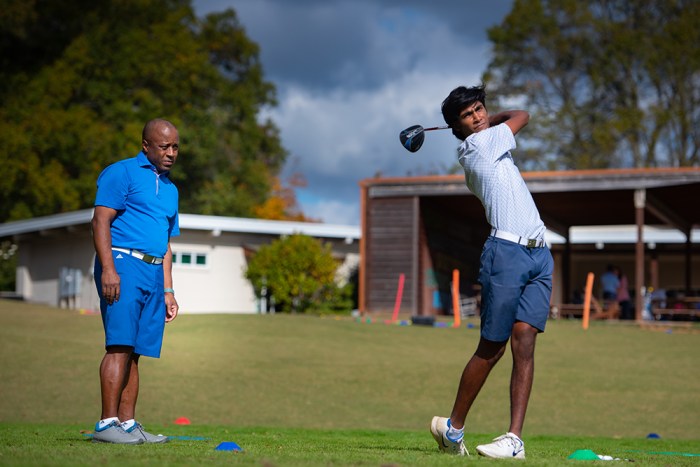
First Tee has established key partnerships internationally to support its mission of empowering youth through golf. These partnerships play a crucial role in expanding the reach and impact of First Tee programs outside the United States. Local organizations also play a significant role in supporting First Tee programs by providing resources, guidance, and infrastructure.
The collaboration between First Tee and these organizations helps in creating sustainable and effective programs that benefit youth globally.
Key Partnerships
- PGA TOUR: First Tee has a longstanding partnership with the PGA TOUR, which helps in organizing events, fundraising, and promoting awareness about First Tee programs internationally.
- The R&A: Partnering with The R&A has enabled First Tee to access resources and expertise in golf development, aiding in the growth of programs in various countries.
- Local Golf Clubs: Collaborating with local golf clubs provides First Tee with access to facilities, coaching staff, and a network of golf enthusiasts who support the organization's initiatives.
Role of Local Organizations
Local organizations play a crucial role in supporting First Tee programs by providing on-the-ground support, identifying local needs, and helping in program implementation. These organizations often have a deep understanding of the communities they serve, allowing First Tee to tailor its programs effectively to meet the specific needs of each region
By working closely with local organizations, First Tee can ensure the sustainability and success of its programs worldwide.
Benefits of Collaboration
Collaborating with international partners and local organizations has numerous benefits for spreading First Tee's mission worldwide. By leveraging the expertise and resources of these organizations, First Tee can reach more youth, provide quality golf instruction, and instill core values such as integrity and perseverance in young participants.
Additionally, collaboration helps in creating a network of support for First Tee programs, ensuring long-term success and impact in communities across the globe.
Cultural Adaptation and Challenges
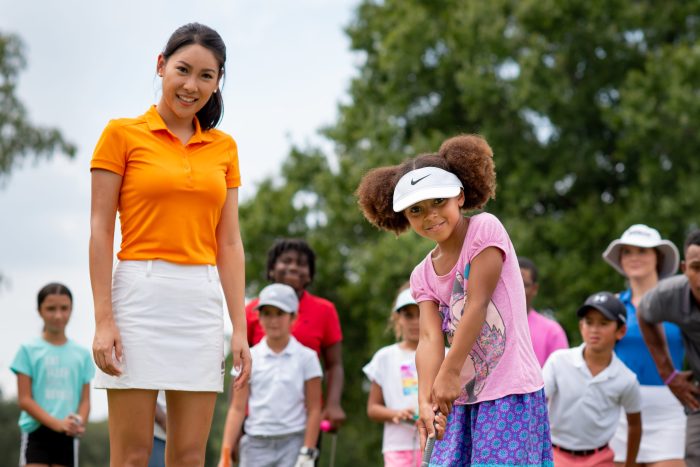
First Tee programs have successfully adapted to different cultural contexts by incorporating local customs, traditions, and values into their curriculum. This ensures that the programs are relevant and engaging for participants from diverse backgrounds. By respecting and embracing the unique cultural identities of each country, First Tee is able to create a more inclusive and welcoming environment for all.
Challenges Faced by First Tee
- Language barriers: Communication can be a significant challenge when operating in countries where English is not the primary language. First Tee has had to work with translators and language experts to ensure that their curriculum is effectively delivered to participants.
- Cultural differences: Understanding and navigating cultural differences can be complex. First Tee has had to conduct extensive research and consultations with local communities to tailor their programs accordingly.
- Logistical hurdles: Operating in foreign countries comes with logistical challenges such as sourcing equipment, securing venues, and navigating local regulations. First Tee has had to establish strong partnerships and collaborations to overcome these obstacles.
Success Stories in Overcoming Cultural Barriers
- In Japan, First Tee successfully integrated the concept of respect for nature into their curriculum, aligning with the country's deep-rooted cultural values of harmony with the environment. This adaptation resonated well with participants and the local community.
- In South Africa, First Tee collaborated with local schools and community leaders to incorporate elements of traditional African games and storytelling into their programs. This cultural exchange not only enriched the experience for participants but also fostered a sense of pride and ownership among the local community.
- In Mexico, First Tee organized cultural exchange events where participants from different backgrounds could share their traditions and learn from each other. This initiative promoted cross-cultural understanding and unity among participants, breaking down barriers and fostering a sense of global citizenship.
Closure
In conclusion, the discussion on First Tee Programs Outside the United States encapsulates a journey of growth, collaboration, and cultural adaptation. From partnerships to challenges, this exploration highlights the importance of spreading the mission of First Tee globally and the transformative power it holds.
Key Questions Answered
How many countries currently have active First Tee Programs outside the United States?
There are currently programs in X countries, with plans for further expansion.
What are some common challenges faced by First Tee in implementing programs globally?
Adapting to diverse cultural contexts and overcoming language barriers are some of the key challenges encountered.
What is the main goal of First Tee Programs outside the U.S.?
The primary goal is to promote character development and life skills through the game of golf in international communities.